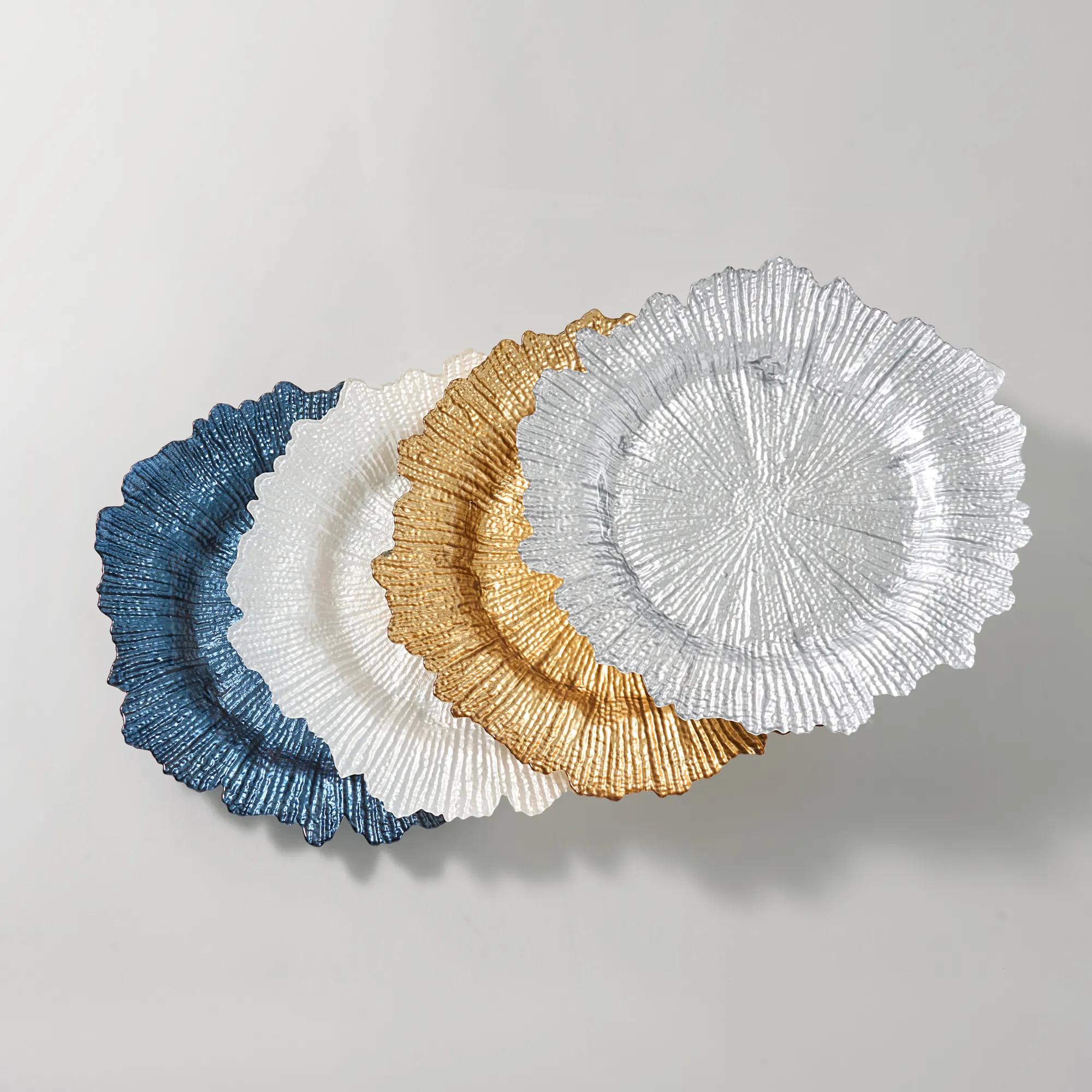
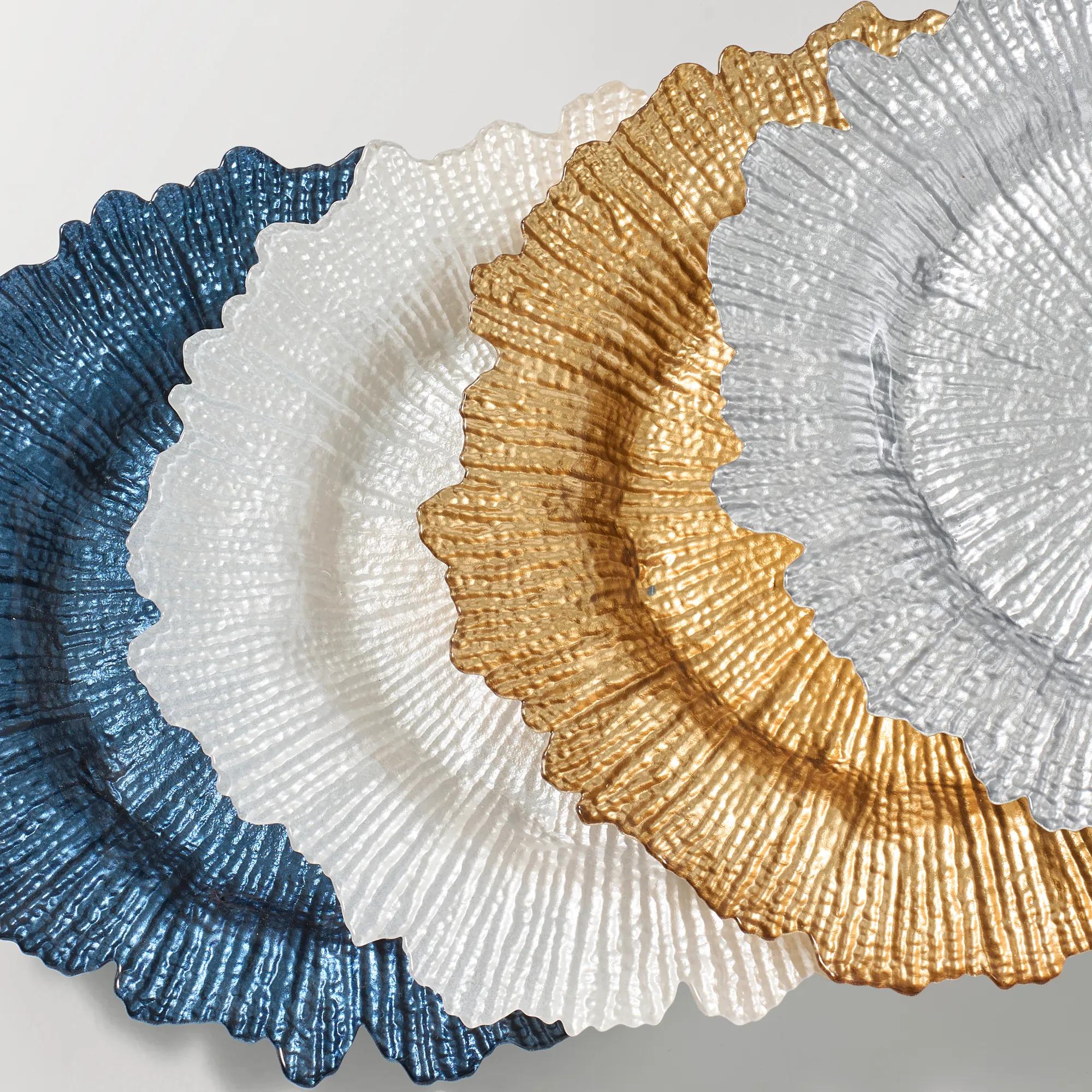
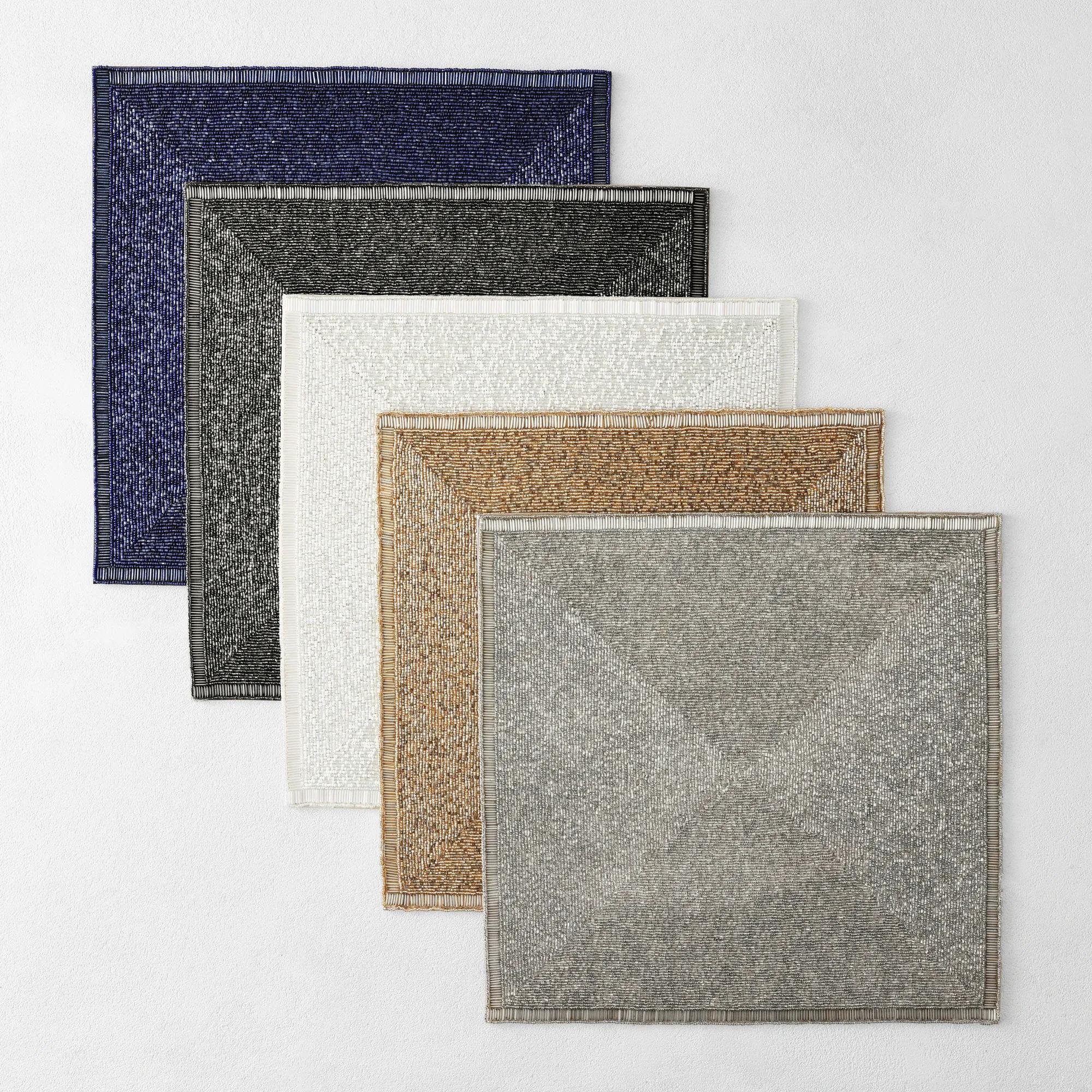
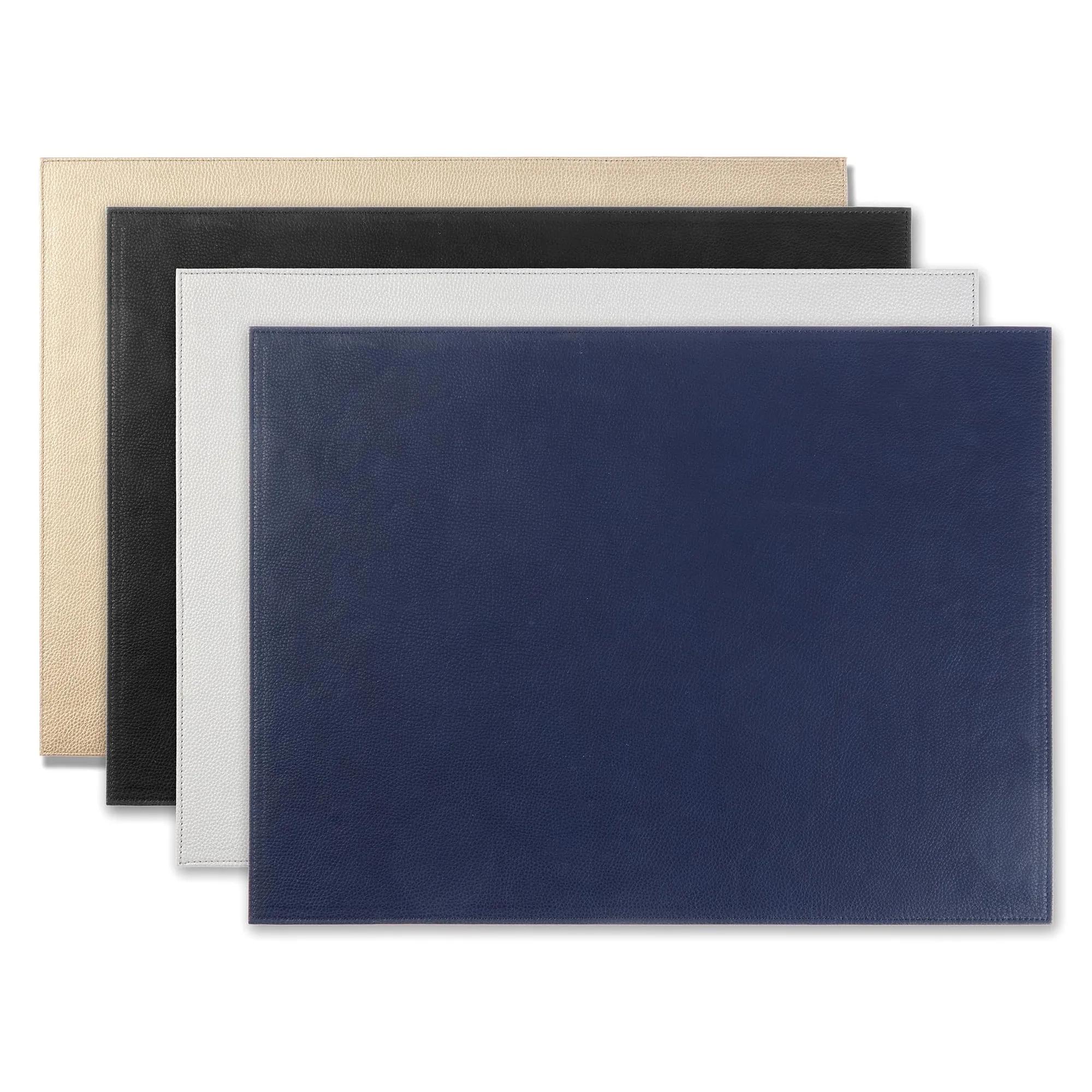
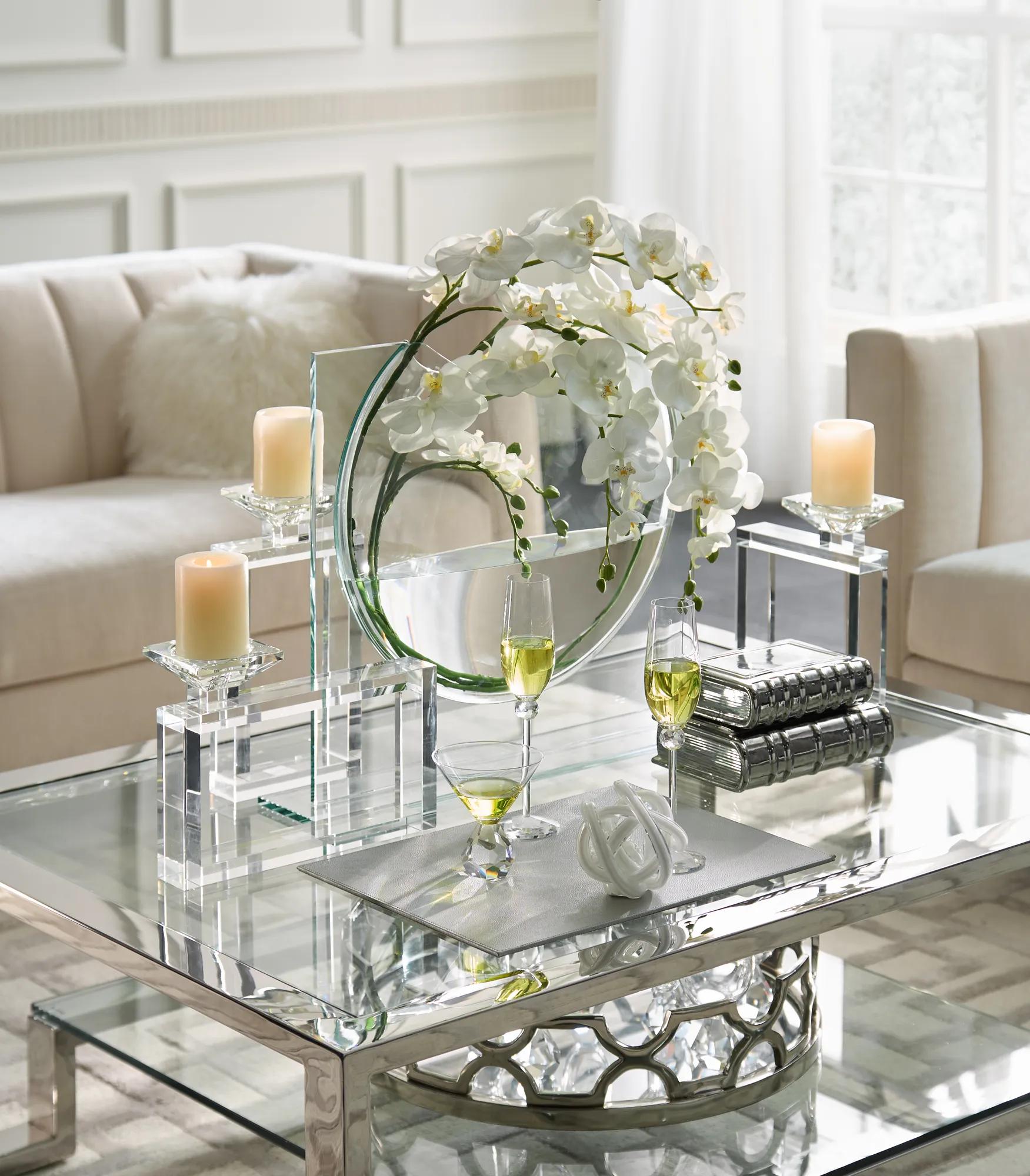
Z Gallerie placemats bring texture and finish to a table without committing to a full tablecloth. The collection spans woven natural fibers, leather and faux-leather styles, metallic and embellished designs, and silicone-backed options that protect the table beneath. Each piece is designed to layer cleanly with dinnerware and flatware.
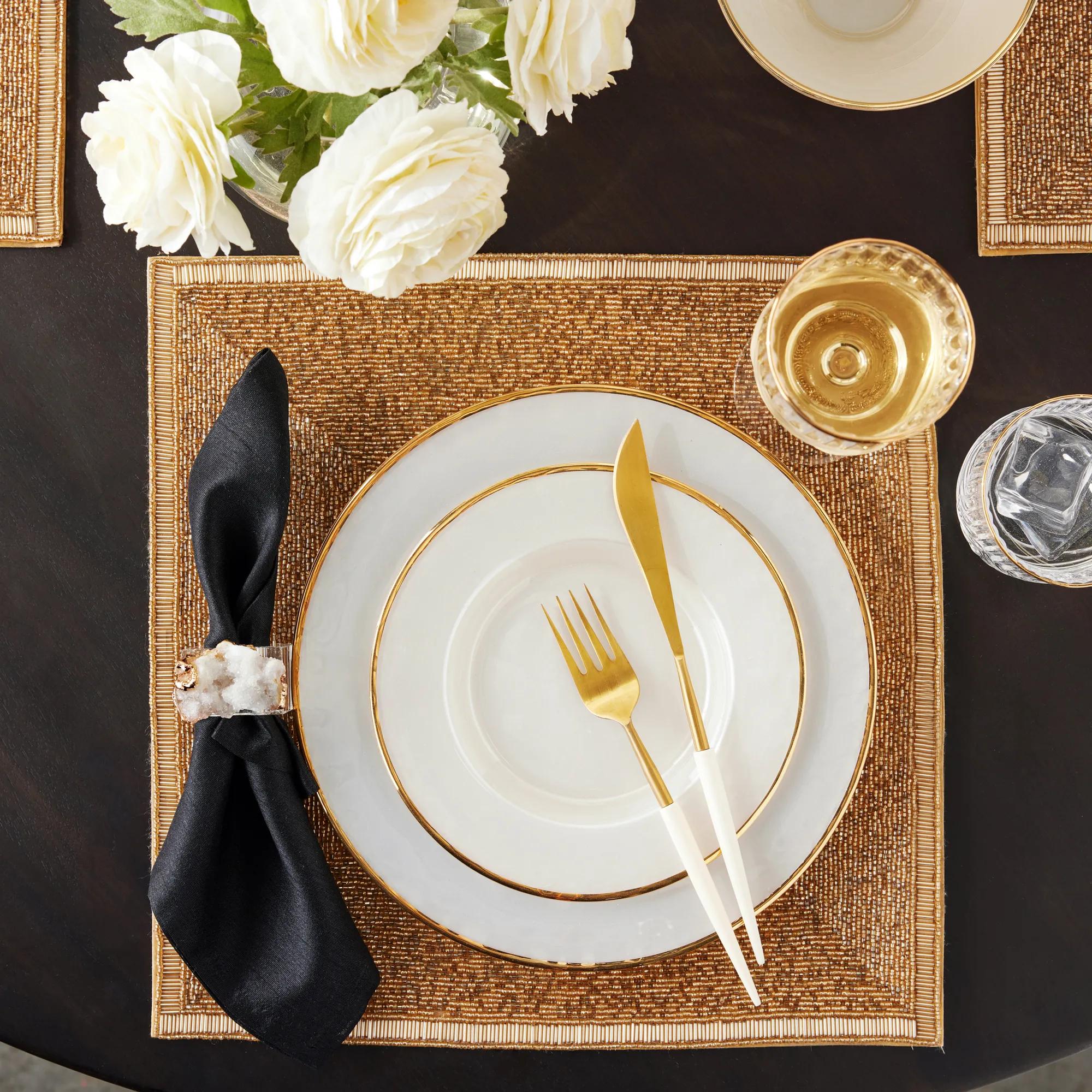
Use placemats to define each place setting on a wood, marble, or glass table, layering with a charger or directly under the dinner plate. Pair with a centerpiece, candles, and coordinated flatware for a table that reads styled rather than rushed.
Frequently Asked Questions
What's the standard placemat size?▼
Most placemats measure 13 by 19 inches or 14 by 20 inches, which fits a full place setting (charger or dinner plate, salad plate, flatware, and glass) without crowding. Round placemats typically measure 14 to 15 inches in diameter, which suits rounder table arrangements.
Do I need placemats if I have a tablecloth?▼
No, but layering both can add depth on more formal tables. For everyday meals, placemats alone work well and are easier to clean than full tablecloths. Use placemats over a tablecloth only for layered, dressed-up settings.
What materials do placemats come in?▼
Materials include woven natural fibers (jute, rattan, raffia), leather and faux leather, fabric (linen, cotton), metallic-finished styles, beaded and embellished designs, and silicone-backed options. Each material brings different durability and look; choose based on how the table gets used.
How do I clean placemats?▼
Care depends on material. Fabric placemats often machine wash on gentle; woven natural fibers wipe clean with a damp cloth; leather and faux leather wipe with mild soap and water. Beaded and embellished pieces typically spot clean only. Check the care label for each style.
Should placemats match napkins?▼
They don't have to match exactly, but coordinating colors or finishes makes the table look more intentional. A common approach is matching the napkin to either the placemat or the dinnerware, but not both. Mixing intentionally is what makes a table feel layered rather than uniform.